
Got it. Thank you.
We’ve received your request and will call you right back. For anything urgent, call us now.
Septic guides & answers
Everything a Tulsa-area homeowner needs to know about septic: what it costs, when to worry, the Oklahoma rules, and how to keep your system healthy for decades.
Cost & Frequency
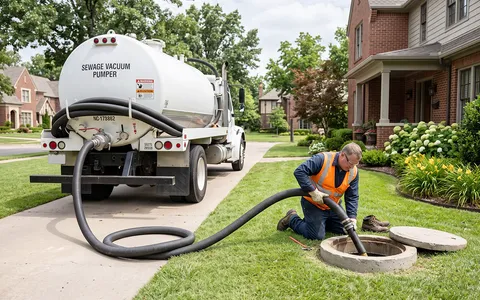
How Much Does Septic Tank Pumping Cost in Tulsa?
Septic tank pumping in Tulsa typically costs $300-$600 for a standard residential tank, with most homeowners landing around $400-$450.
Read guide
How Often Should You Pump Your Septic Tank?
Most households should pump their septic tank every 3-5 years, though larger families and smaller tanks may need it every 2-3 years.
Read guide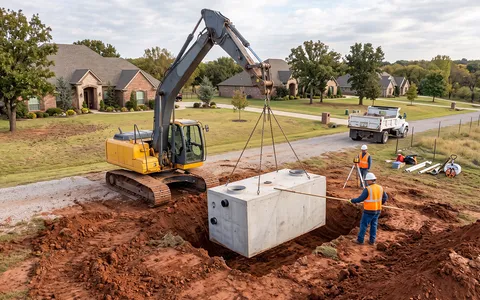
Cost to Replace a Septic System in Oklahoma
Replacing a septic system in Oklahoma typically costs $8,000-$20,000+, with aerobic systems (common statewide) at the higher end and conventional systems lower.
Read guideWarning Signs
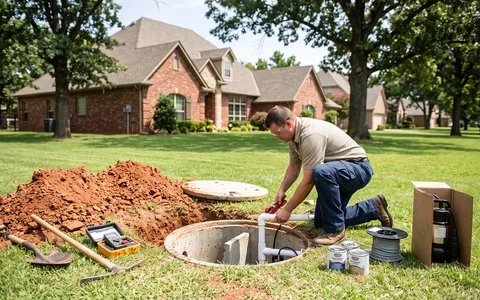
Signs Your Septic Tank Is Full or Needs Pumping
The most common signs a septic tank is full are slow drains, gurgling toilets, sewage odors, and unusually lush grass over the drain field. Any one of them means it’s time to call.
Read guide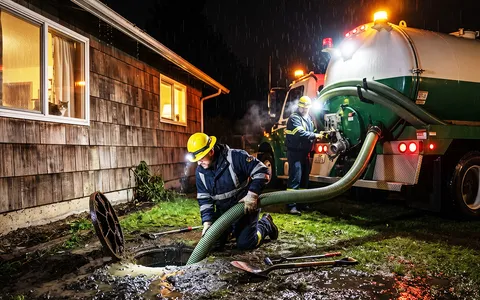
What to Do When Your Septic Backs Up
If your septic is backing up, stop all water use immediately, keep everyone away from the sewage, and call for emergency service. Running more water makes the backup worse.
Read guide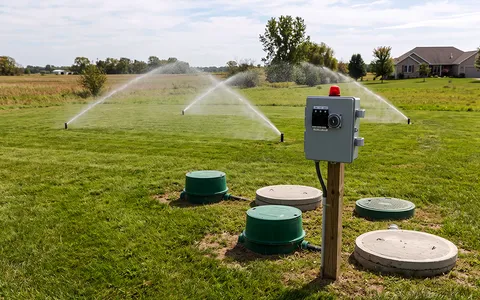
Aerobic Septic Alarm Going Off? When to Worry and What to Check
An aerobic septic alarm usually means the tank water level is too high or the air pump has stopped. Silence the alarm on the panel, check the breaker, and ease off water use. It is not an immediate emergency in most cases, but the system needs a service call soon.
Read guideLocal & Regional
What Is an Aerobic Septic System?
An aerobic septic system uses oxygen and mechanical aeration to treat wastewater more thoroughly than a conventional tank, then sprays the treated effluent over a lawn, a design that’s very common in Oklahoma because of poor-draining soils.
Read guide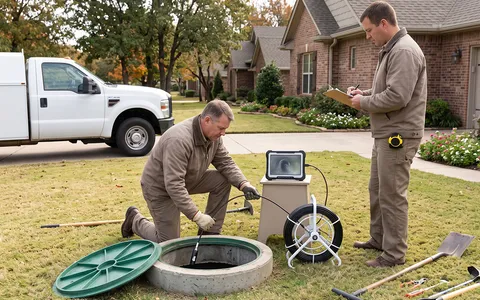
Tulsa County Septic Regulations and Permits
In Tulsa County, septic systems are regulated by the Oklahoma Department of Environmental Quality (DEQ), which requires a permit and soil evaluation for new installs and repairs, and ongoing maintenance for aerobic systems.
Read guideSeptic Inspection Requirements for Buying or Selling a Home in Oklahoma
Oklahoma doesn’t universally require a septic inspection to sell a home, but most lenders and buyers require one, and certain loan types (like some FHA/VA situations) effectively make it mandatory.
Read guideMaintenance
What Not to Flush: Protecting Your Septic System
With a septic system, only human waste and toilet paper should ever go down the drain. Everything else, including “flushable” wipes, grease, and harsh chemicals, damages the system.
Read guide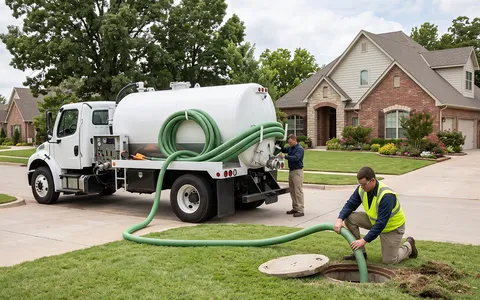
Septic System Maintenance Checklist
Keeping a septic system healthy comes down to four habits: pump every 3-5 years, conserve water, protect the drain field, and watch for warning signs.
Read guide
Preventing Septic Problems in Oklahoma Winters
To prevent winter septic problems in Oklahoma, keep the system used and insulated, protect aerobic components from freezing, and avoid compacting snow over the tank and drain field.
Read guide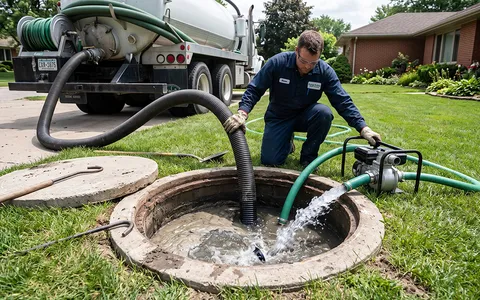
Septic Cleaning vs. Pumping: What's the Difference?
Pumping empties the liquid and settled solids from your septic tank. Cleaning goes further: it removes the compacted sludge the pump leaves behind and rinses the tank so you start closer to empty. For most Tulsa-area homes on a regular schedule, a routine pump-out is all you need.
Read guideHave a septic question we didn’t cover?
Call a local crew. We’re happy to give you a straight answer, no obligation.
24/7 emergency line · Mon-Sat 7am-7pm · 24/7 emergency dispatch